Industry insights, product news, and tips for first responder fleet management.
The 2020 XLR Boost 27QB toy hauler has a 30-gallon onboard fuel station with an exposed, non-locking filler. Here is the bolt-on locking door that fits it, plus the 29QB, 31QB and newer floorplans.
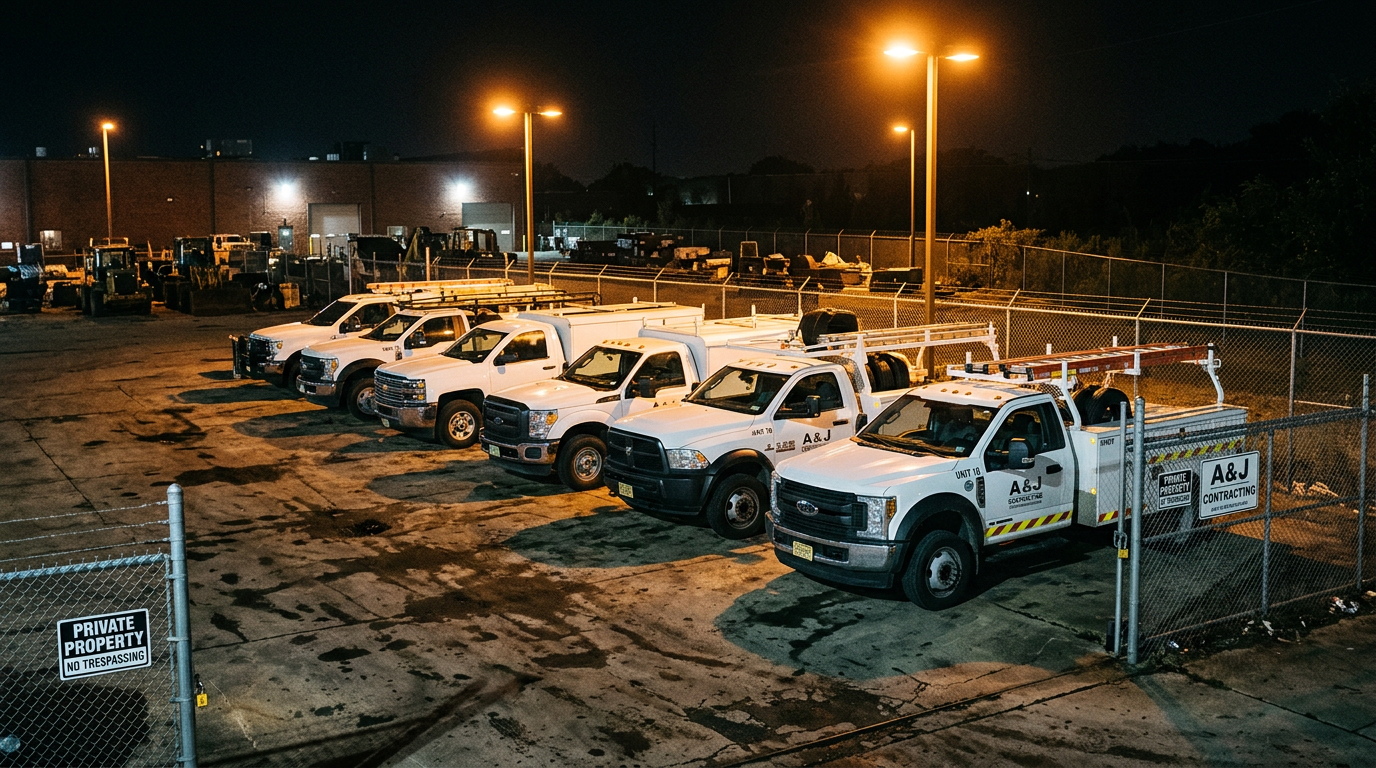
A Wisconsin fuel supplier just warned rural customers that fuel theft is climbing with high diesel prices. Here is what that means for the work trucks parked in your yard.
The CH751 is the universal key on thousands of RV locks — which means it is no lock at all. Here is a keyed-different alternative for your fuel fill.
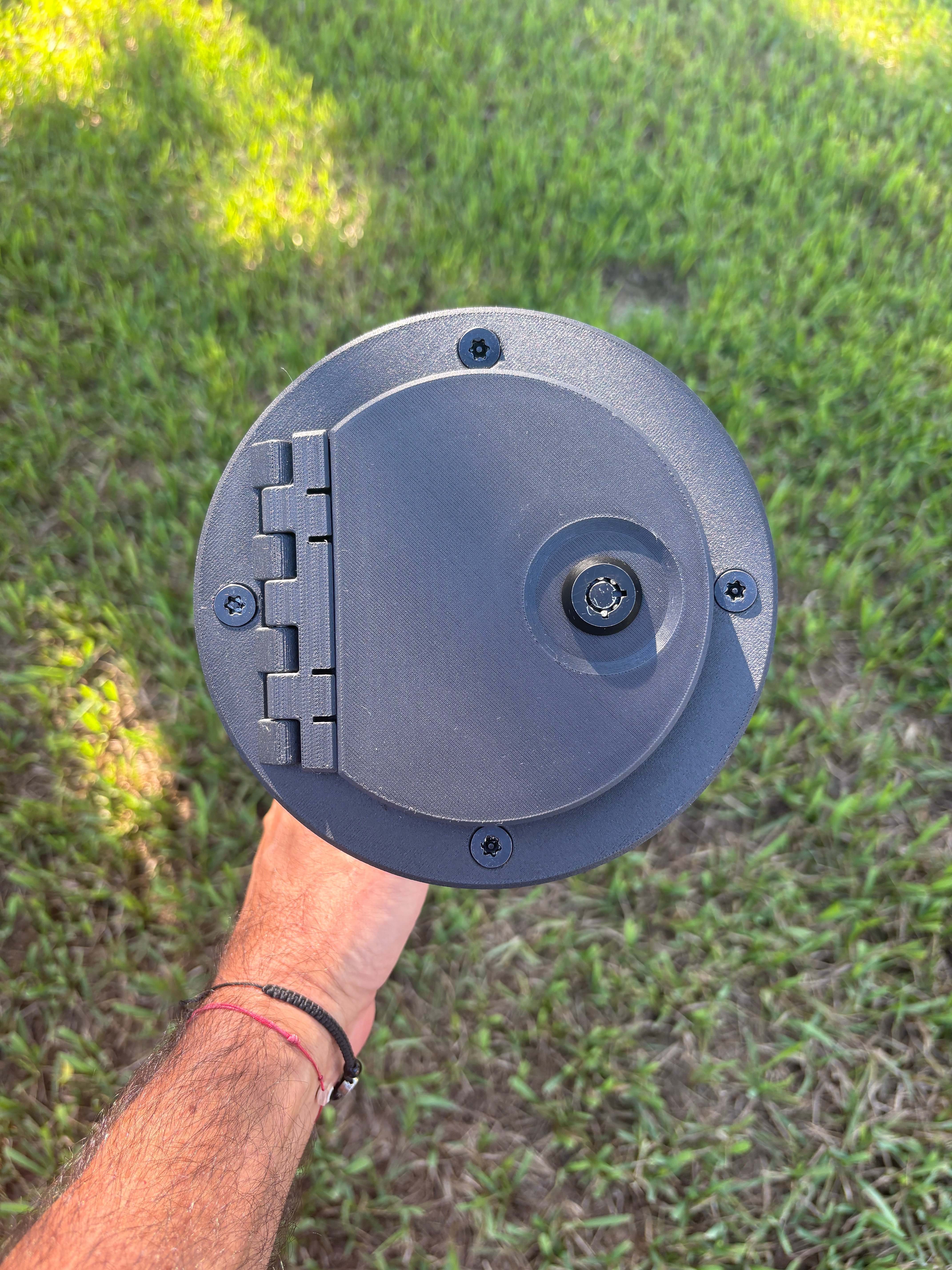
Toy hauler fuel stations put a full pump and fill on the outside of your rig — usually with no lock. Here is how to secure that exposed fill on your 5th Wheeler or travel trailer.
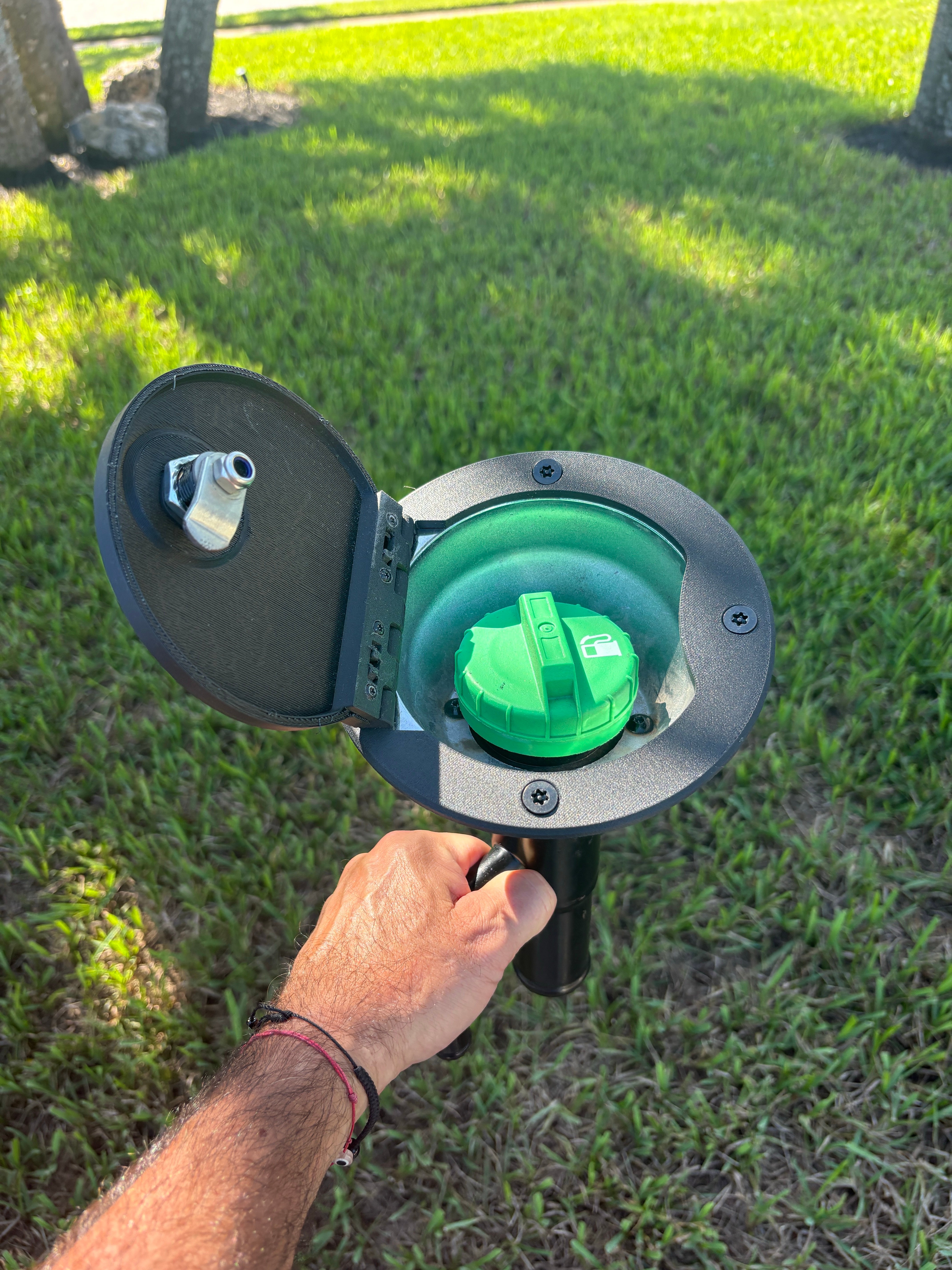
Ford E-450 Class C owners keep asking how to lock an exposed fuel fill. Here is the fix that leaves your factory cap and EVAP system untouched — no check-engine light.
That onboard fuel station holds 20-plus gallons behind a cap that turns by hand. For years RV owners have improvised workarounds — here is the purpose-built locking door made for it.
Trailers full of mowers, trucks parked on residential streets, and a fuel bill that quietly doubles in July. Green industry fleets are hit constantly and rarely defended.
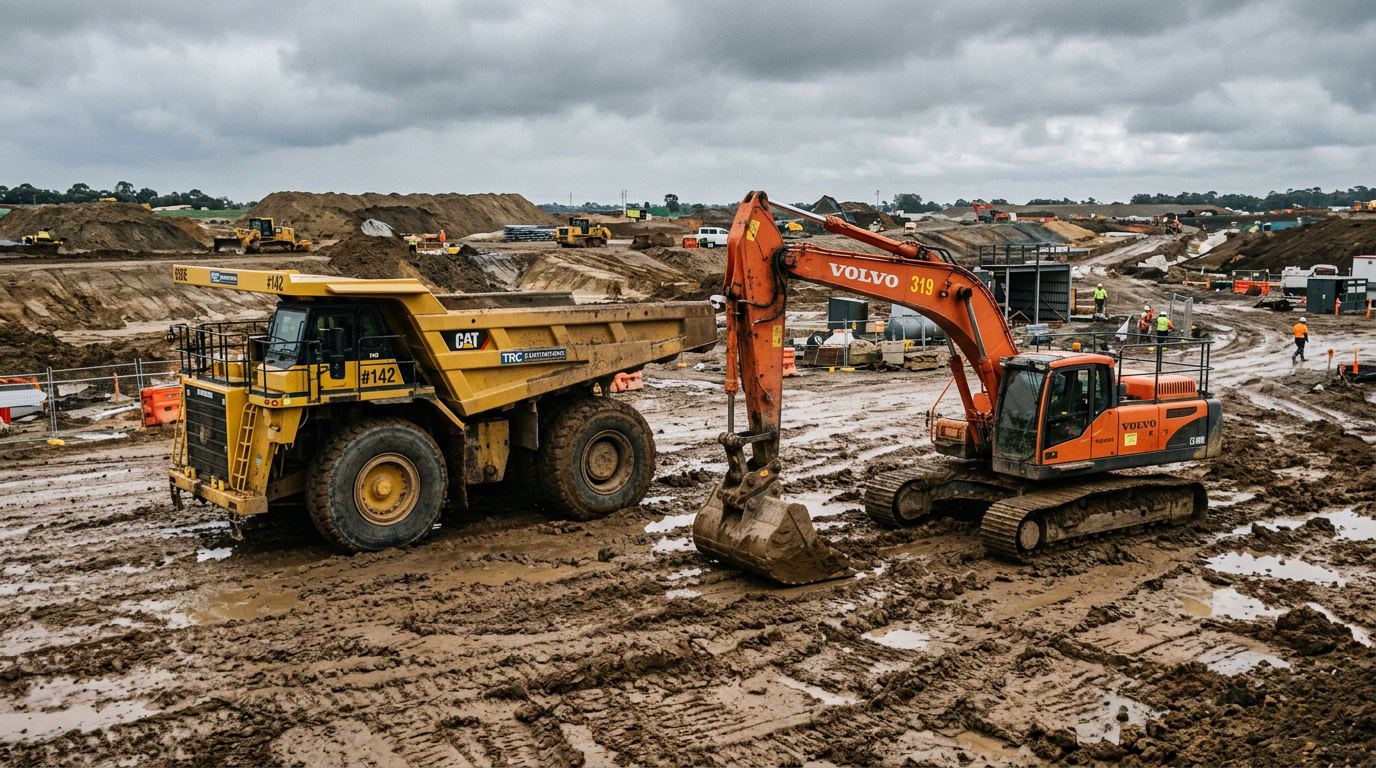
Earthmoving sites are the worst-case scenario for fuel security: big tanks, remote locations, no fence, and equipment that sits for days between moves.
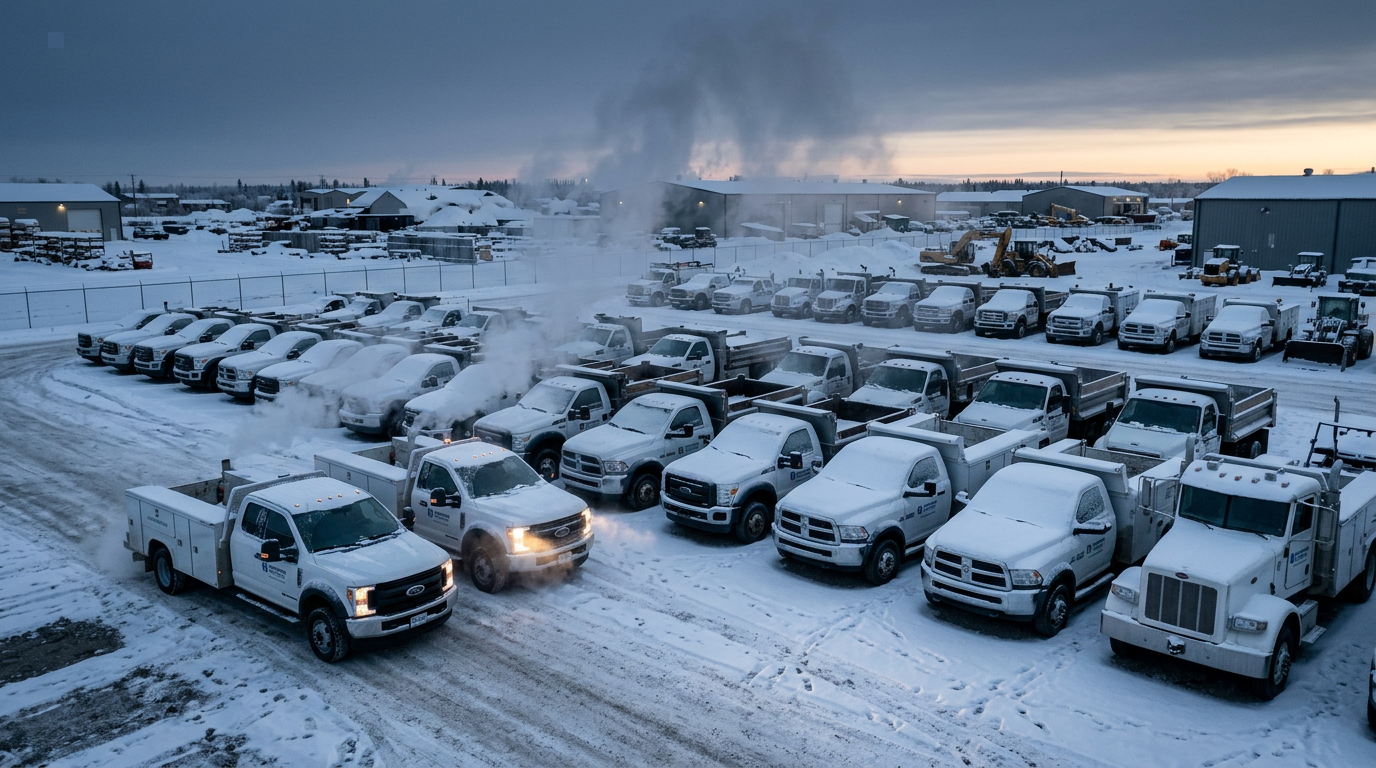
Long nights, heating costs, idling trucks, and thin crews all point the same direction. Winter is when work truck fleets lose the most fuel, and it is predictable enough to plan for.
Both show up as gallons you paid for and did not use. They have completely different fixes, and treating one as the other is why so many fleet fuel programs never close the gap.
Emergency vehicles sit unattended at scenes, at hospitals, and outside stations, often running or unlocked. An empty tank on a first-out unit is not a budget problem, it is a response problem.
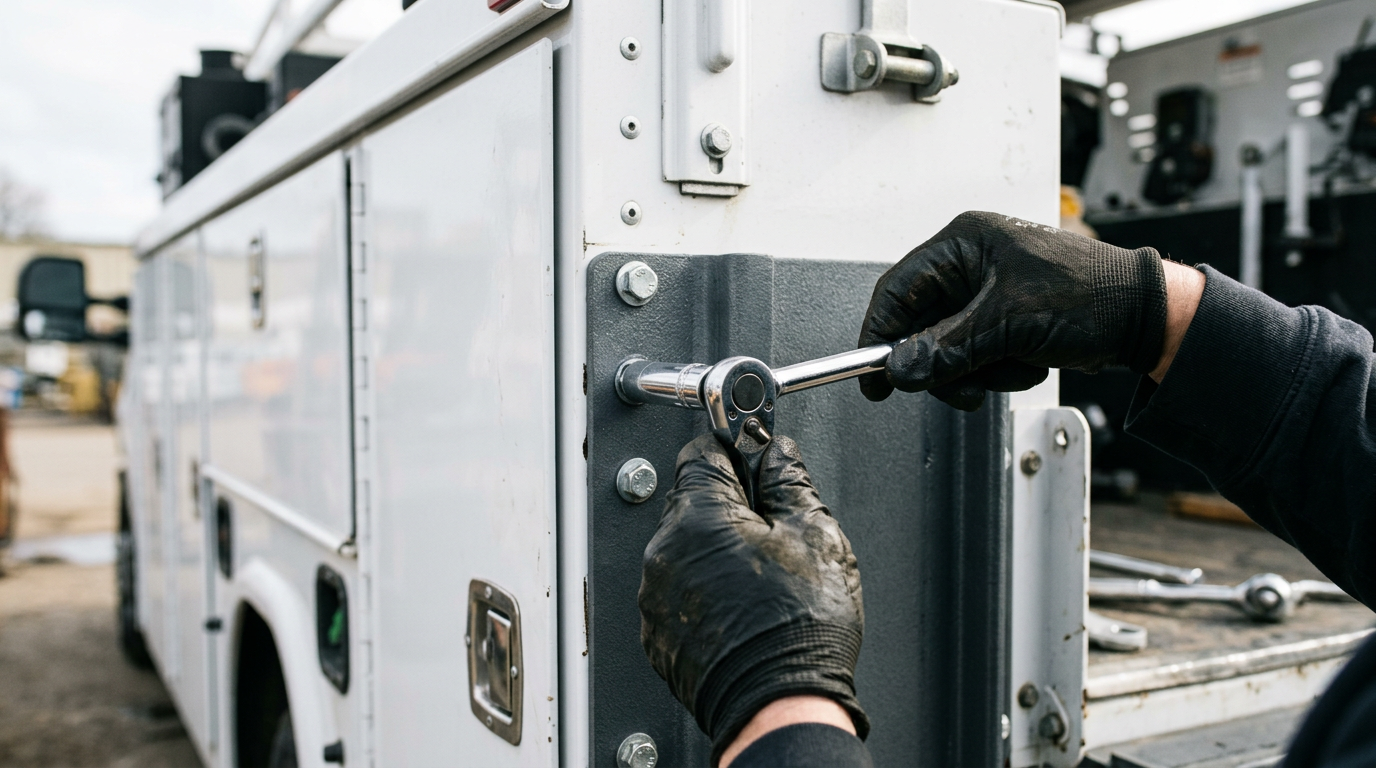
The install takes minutes, but a few small habits separate a job that looks factory from one that looks bolted on. Here is what our installers do every time.
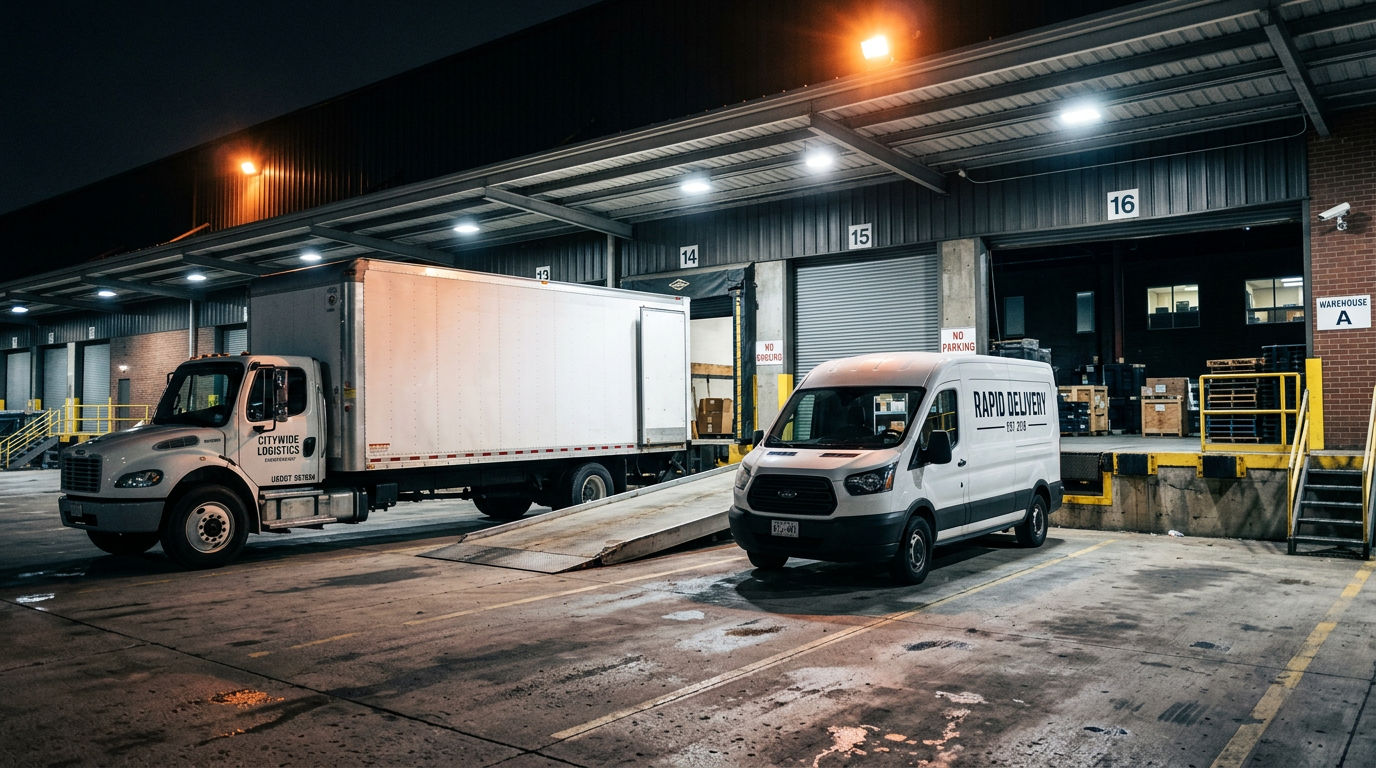
Delivery fleets park in the most exposed places there are: loading zones, street parking, and unattended lots. Here is what makes box trucks and cargo vans such easy targets and what to do about it.
You cannot fix what you cannot measure, and you cannot get it funded without a number. A four-week fuel loss audit any fleet manager can run without new software.
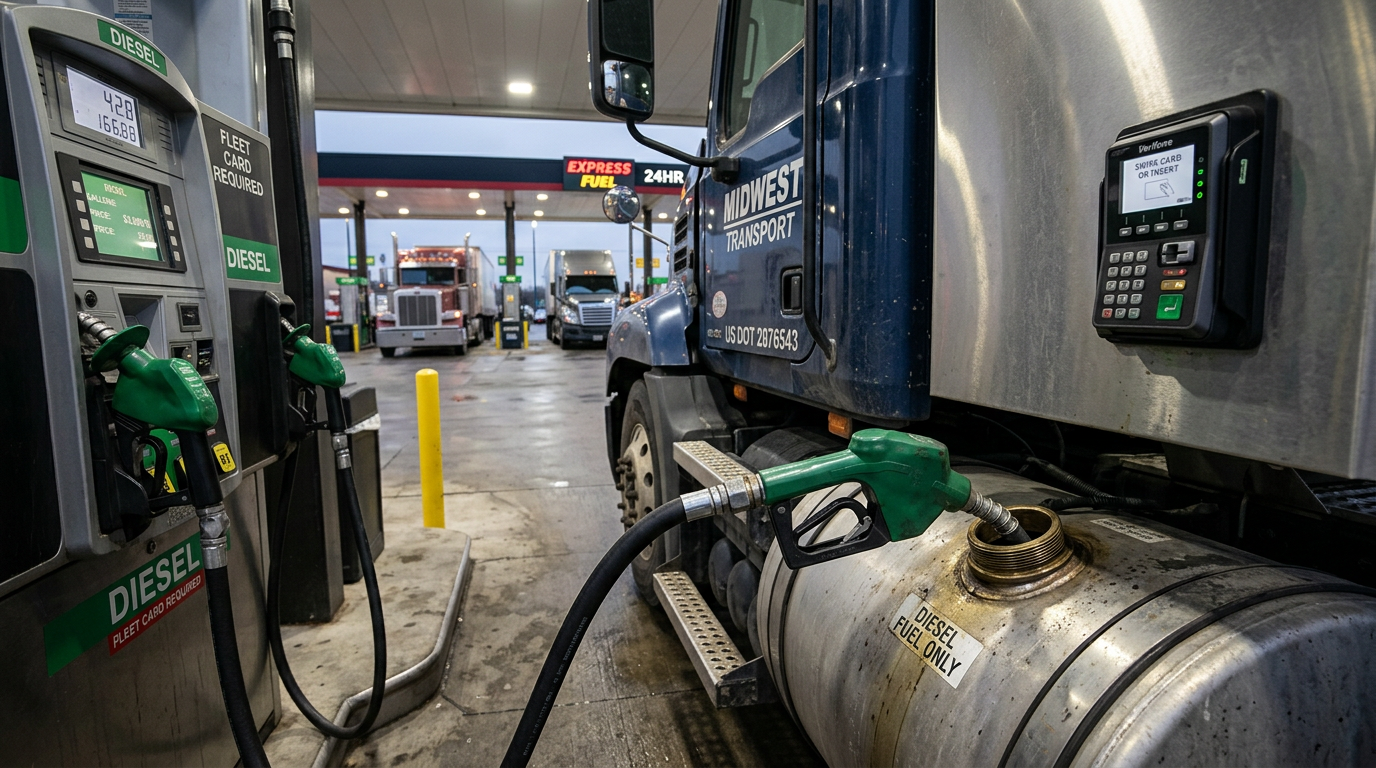
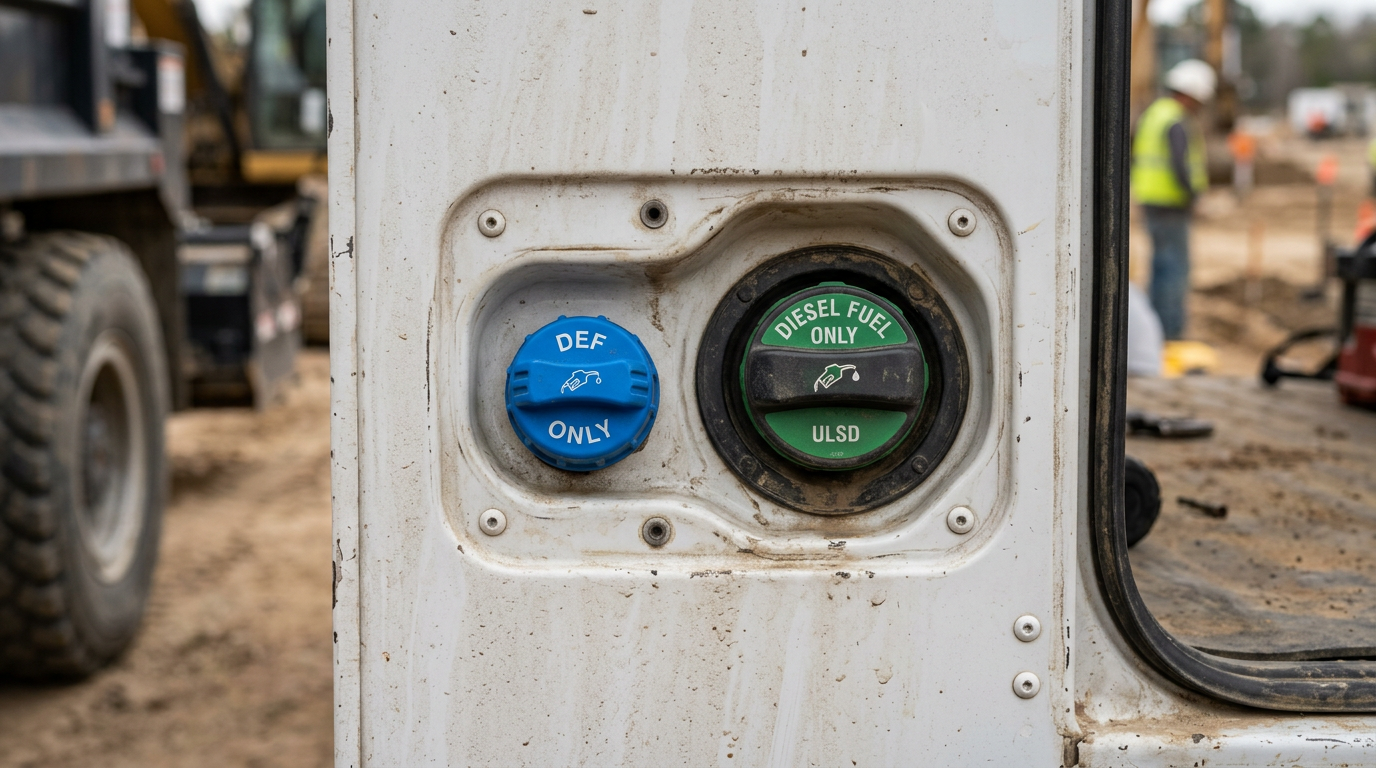
The blue cap next to the diesel filler is the most expensive two inches on a modern work truck. A teaspoon of the wrong thing in the DEF tank can cost thousands and put the truck in limp mode.
Jobsite fuel theft is the most predictable loss in construction and the least defended against. Twelve practical measures, ranked by how much they actually change the outcome.
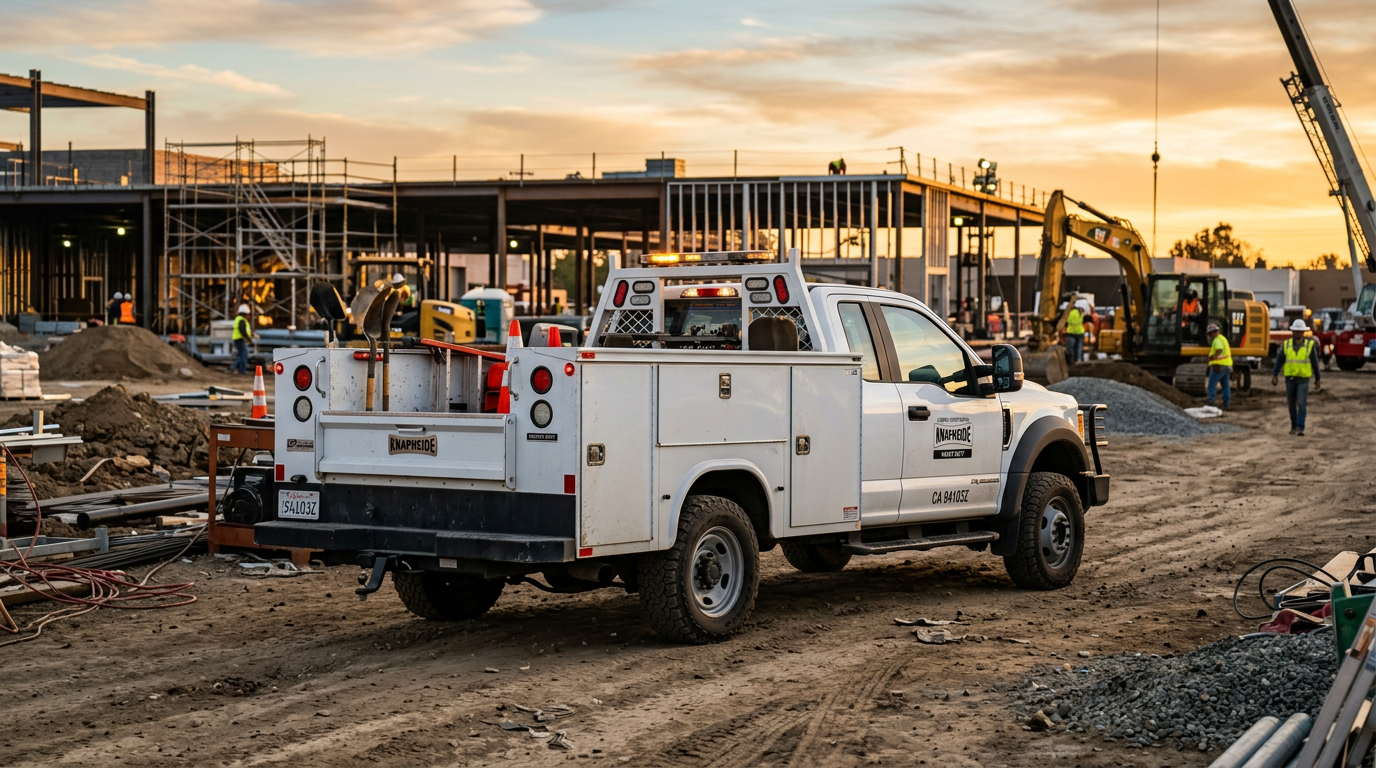
Knapheide builds some of the toughest service bodies on the road, with locks on every compartment. The one opening left unprotected is the fuel door. Here is how to close that gap.
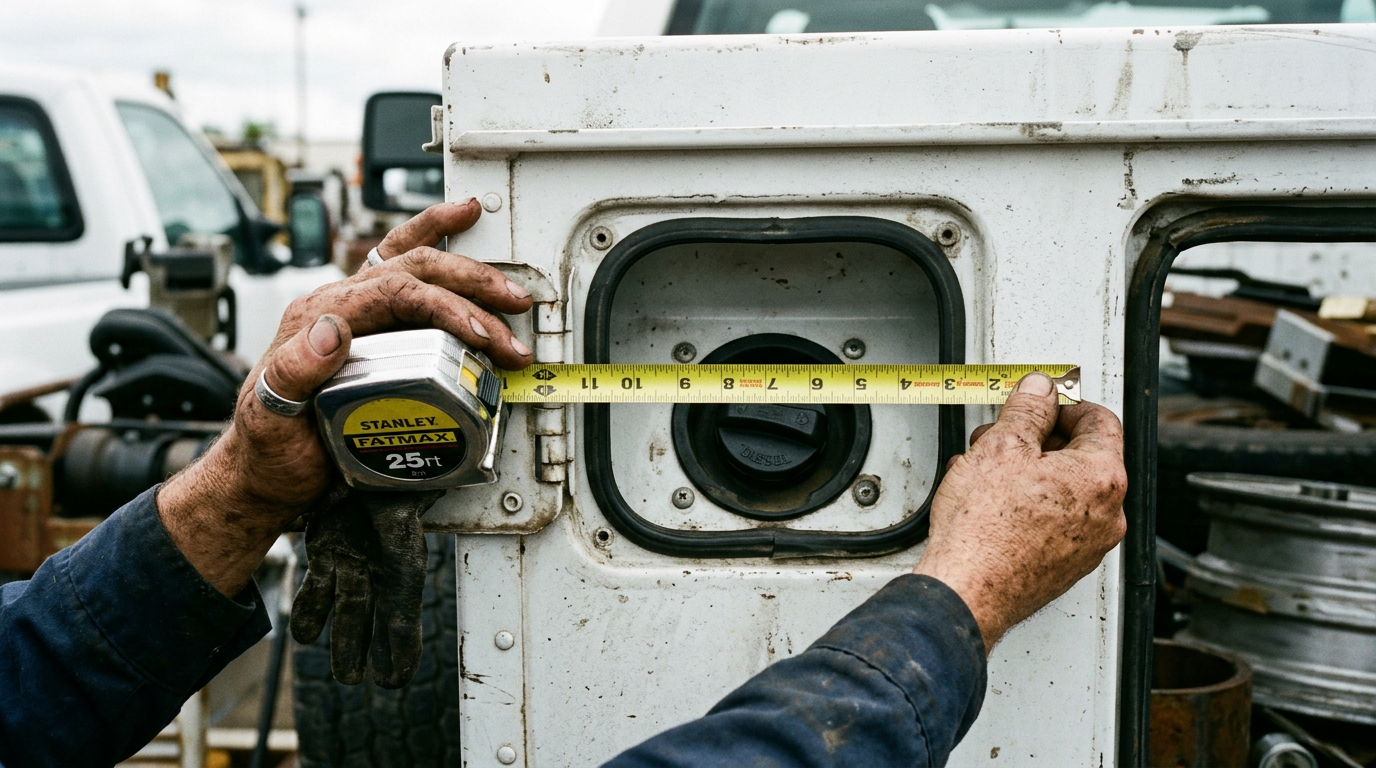
Work truck bodies vary wildly by upfitter, model year, and options. Three minutes with a tape measure and your phone is all it takes to order the right size the first time.
Fuel theft rarely shows up as a single dramatic loss. It shows up as a slow bleed that never quite reconciles. Here is how to put a real dollar figure on it so you can justify doing something about it.
Some apparatus platforms have no verified fitment record on file — the Freightliner M2 106 and International CV among them. Rather than guess, we work from measurements. Here is exactly what to send and why each number matters.
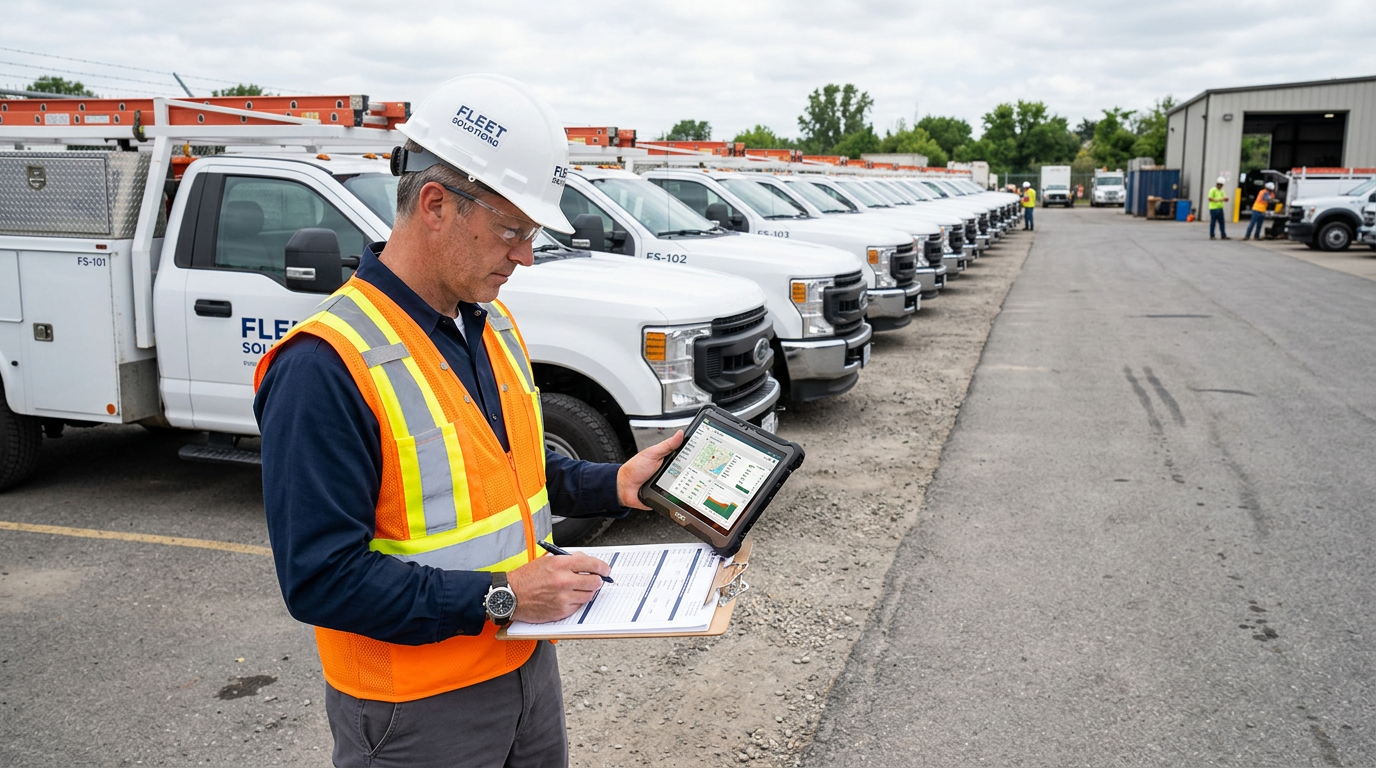
Before you buy anything, find out what you are actually exposed to. This is a walkaround a fleet mechanic or company officer can run on every rig in an afternoon, with no tools and nothing to install.
A single locking door is the wrong order for a lot of chassis cab apparatus. Dual-tank builds have a filler on each side, and diesel rigs often have an exposed DEF cap as well. Here is how to count openings before you buy.
Mobile command posts and tactical vehicles get parked in the open, at the perimeter, for hours at a time — often in exactly the environment that made the callout necessary. The fuel filler is usually the least protected thing on the vehicle.
Most ambulance bodies in North America sit on a Ford E-350 or E-450 cutaway chassis, and nearly all of them leave the fuel filler exposed in a body-side cutout. Here is what fits, what to check before ordering, and why the module body matters.
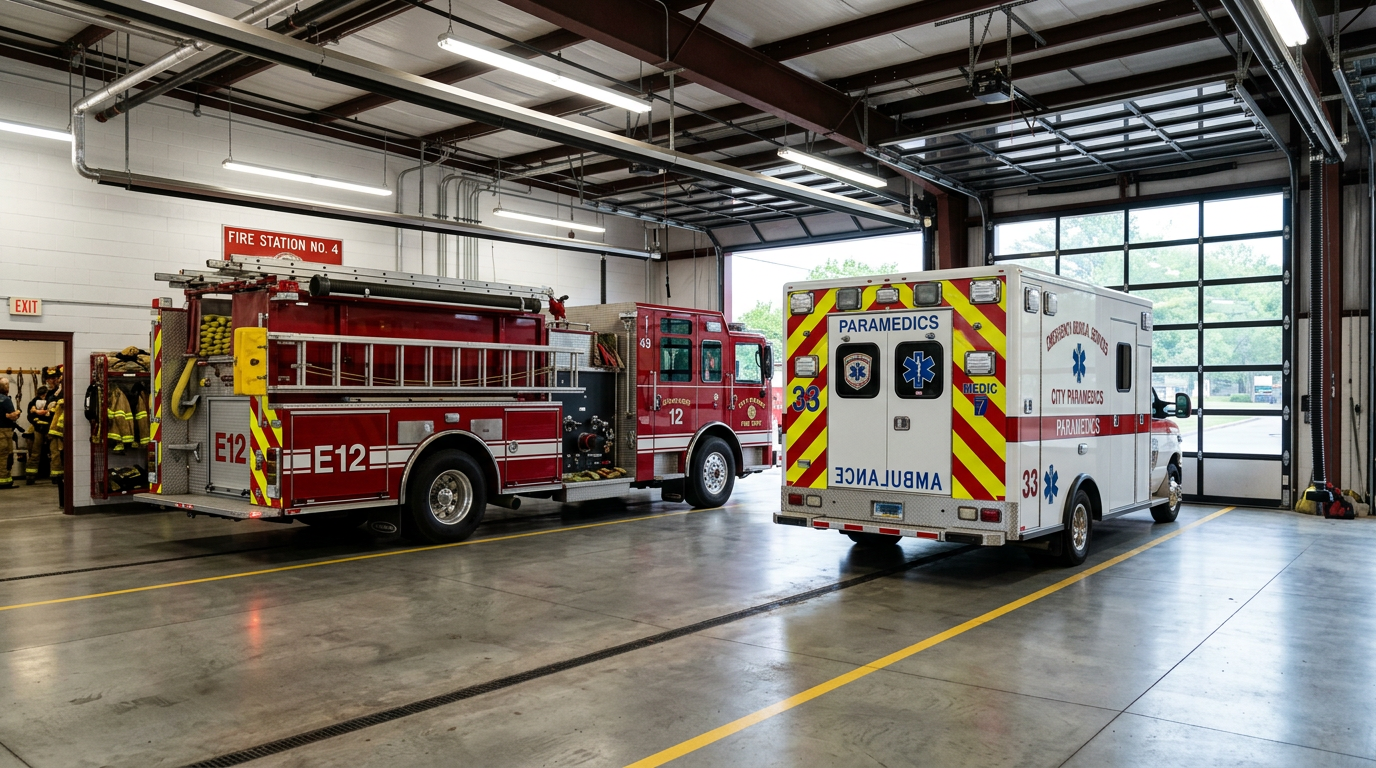
An engine that comes up short on fuel is an engine that does not roll. Here is how fuel and DEF access is left exposed on modern fire apparatus, why station parking is not the protection people assume it is, and what closing that gap actually involves.
Just three months into owning their new 33-foot mobile learning lab, the STEM Quest team had all of their fuel stolen overnight. Here's their story — and why they're installing the RV Fuel Vault.
Municipal fleets face unique fuel security challenges. Public works trucks, utility vehicles, and government fleet vehicles are often parked at accessible locations and operated on tight budgets. Here is how to protect your municipal fleet from fuel theft.
When it comes to protecting the fuel access on your work truck, you have two main options: a locking fuel cap or a locking fuel door. Here is an honest comparison of both approaches and why the choice matters for commercial trucks.
The Ram 5500 chassis cab is a heavy-duty workhorse used by contractors, municipalities, and fleet operators across the country. But the exposed fuel access area creates a security gap that most owners overlook until it is too late.
Ford F-550 chassis cab work trucks are among the most popular platforms for service bodies, utility bodies, and contractor builds. But the factory fuel access area is completely exposed. Here is what you need to know about locking fuel door options for the Ford F-550.
A technical guide for upfitters on integrating the Fuel Vault with Knapheide, Reading, and other major service body platforms.
Remote construction sites, utility corridors, and rural service calls demand extended range. Here's how the Fuel Vault delivers.
Fuel theft costs commercial operators billions annually. Learn how the Work Truck Fuel Vault stops thieves in their tracks.